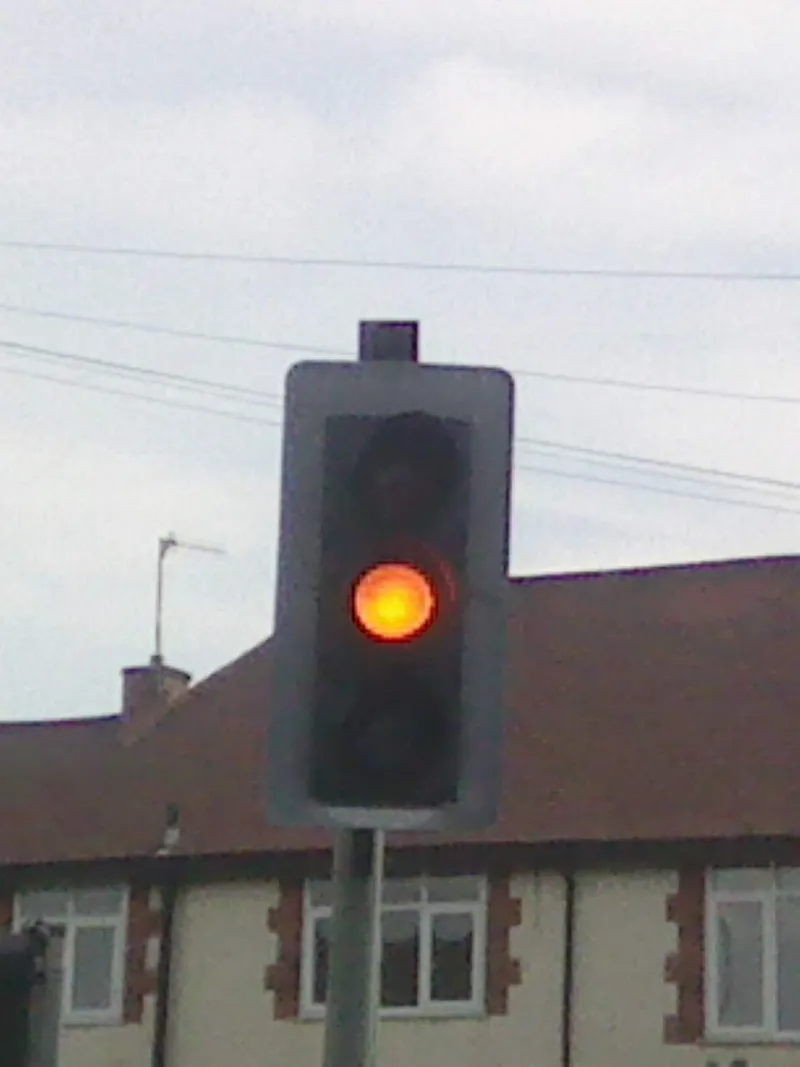
The Amber Pause: Building Calm Judgement at UK Traffic Lights
Amber lights do not ask for bravery or a split-second gamble. This learner-friendly guide shows how to read the approach, check mirrors, and choose stop or continue without panic-braking.
Category
11 articles
Amber lights do not ask for bravery or a split-second gamble. This learner-friendly guide shows how to read the approach, check mirrors, and choose stop or continue without panic-braking.
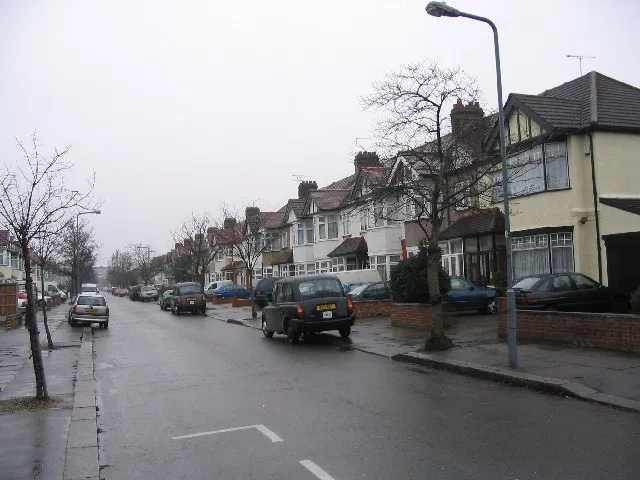
A residential street can change its speed limit halfway along, and the sign isn’t always the first clue. Here’s how to read 20mph zones calmly, spot the clues early, and stop relying on memory when you turn into somewhere new.
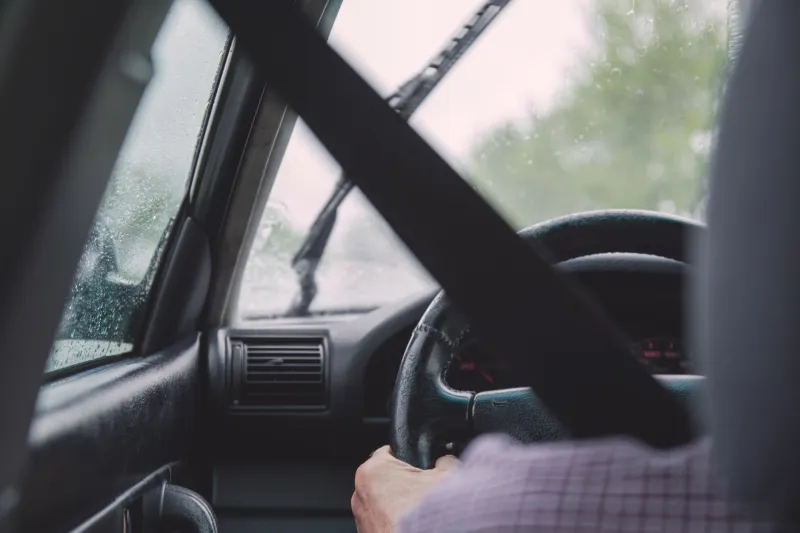
Heavy rain leaves more than shiny roads. Here’s how UK learners can read standing water, keep inputs smooth, manage spray and grip, and treat turning around as a proper driving skill rather than a defeat.
Hazard perception clips are more than a theory-test hurdle. Used properly, they train the quiet scanning habits that keep UK learners calm on busy high streets, wet junctions and narrow residential roads.
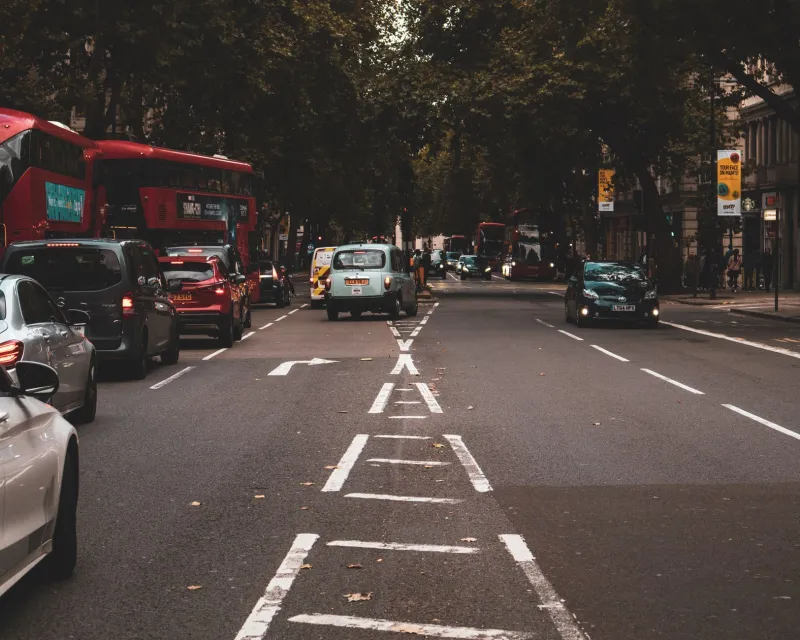
Bus lanes aren't a trick, they're a timetable — and once you can read the little plate under the blue sign, most of the worry disappears. Here's how to spot the operating hours early, tell a bus lane from a bus stop or a cycle lane, and decide calmly instead of swerving at the last second.
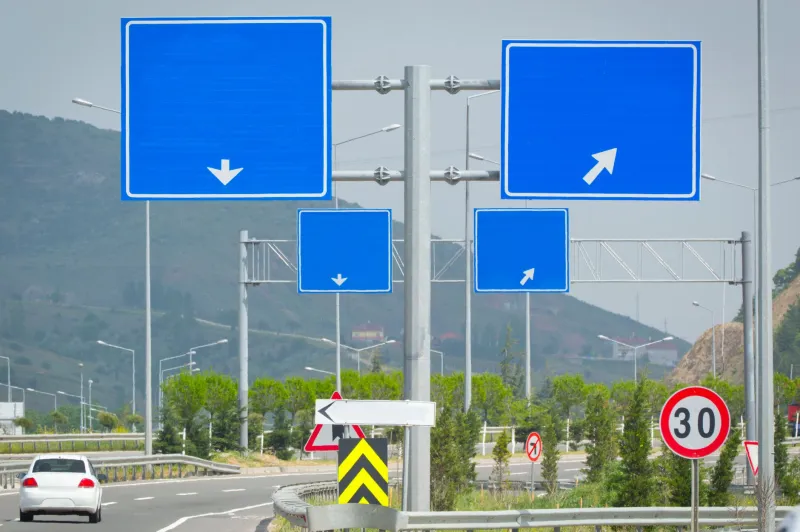
Missing a turning feels like a failure in the moment, but it's often the most useful thing that happens in a lesson. Here's why deliberately unfamiliar routes build real confidence, and how to recover calmly when the directions go sideways.

Satnav can make a lesson flow — until a late prompt sends your eyes to the screen and your lane discipline out of the window. This guide is about using directions as advice, not commands, so road signs and safety stay in charge.
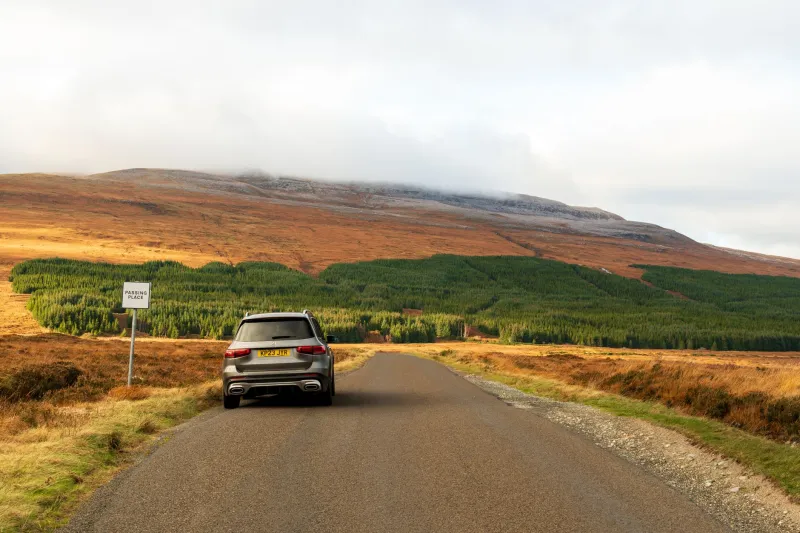
Most lessons start in town, but rural lanes ask a different set of questions. Here’s how to read blind bends, use passing places, handle tractors and sheep, and stay calm when another driver reaches the narrow bit first.
The first lesson after the clocks change can feel like driving in a different country. Here is a calm, practical way to handle darkness, glare and reduced visibility without letting nerves take the wheel.

It can sound like a trap or a command. In reality, ‘pull over when it’s safe’ is an invitation to show planning, observation and judgement. Here is what your instructor is watching for — and a simple spoken routine to keep your head clear.

Most roundabout trouble comes from a simple misunderstanding: learners think the gap is a test of nerve. It is not. Here is how observation, not boldness, decides when to go — and why freezing and lunging are two versions of the same problem.